


Blog
How Better Airflow and Heat Control Support Diesel Performance
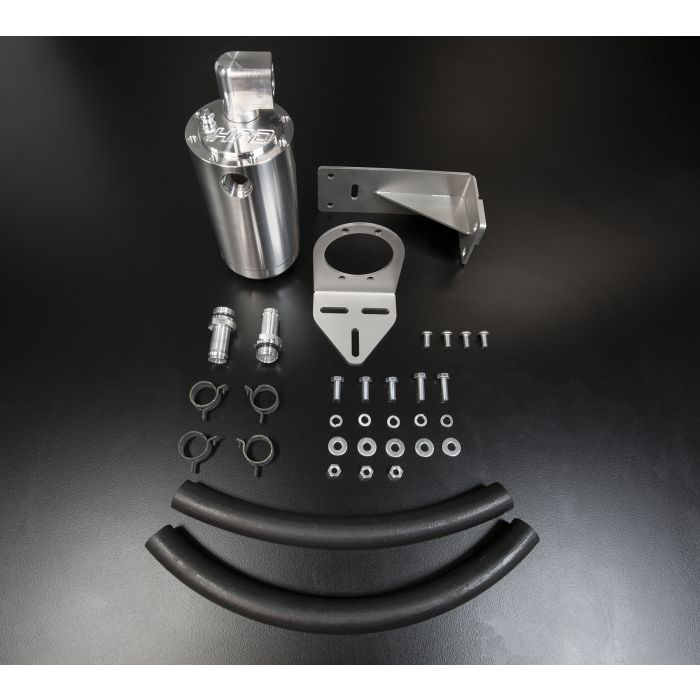
Turbo diesels bleed oil. That’s just physics: piston rings never seal completely, and under load, oily blow-by gas slips past into the crankcase. Positive crankcase ventilation systems catch the vapour and route it back into the intake. Not because it’s elegant engineering. Because emissions regs demand it.
Smarter Diesel Upgrades for Better Cooling and Engine Protection
Turbo diesels bleed oil. That’s just physics: piston rings never seal completely, and under load, oily blow-by gas slips past into the crankcase. Positive crankcase ventilation systems catch the vapour and route it back into the intake. Not because it’s elegant engineering. Because emissions regs demand it.
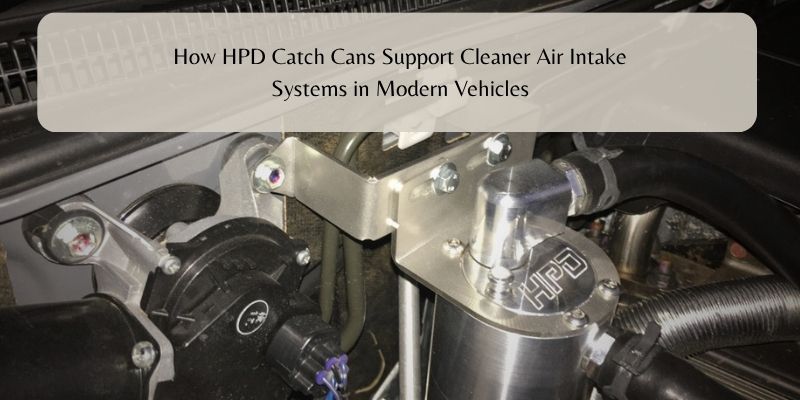
How HPD Catch Cans Support Cleaner Air Intake Systems in Modern Vehicles
Modern vehicles are designed to deliver improved efficiency, performance, and…
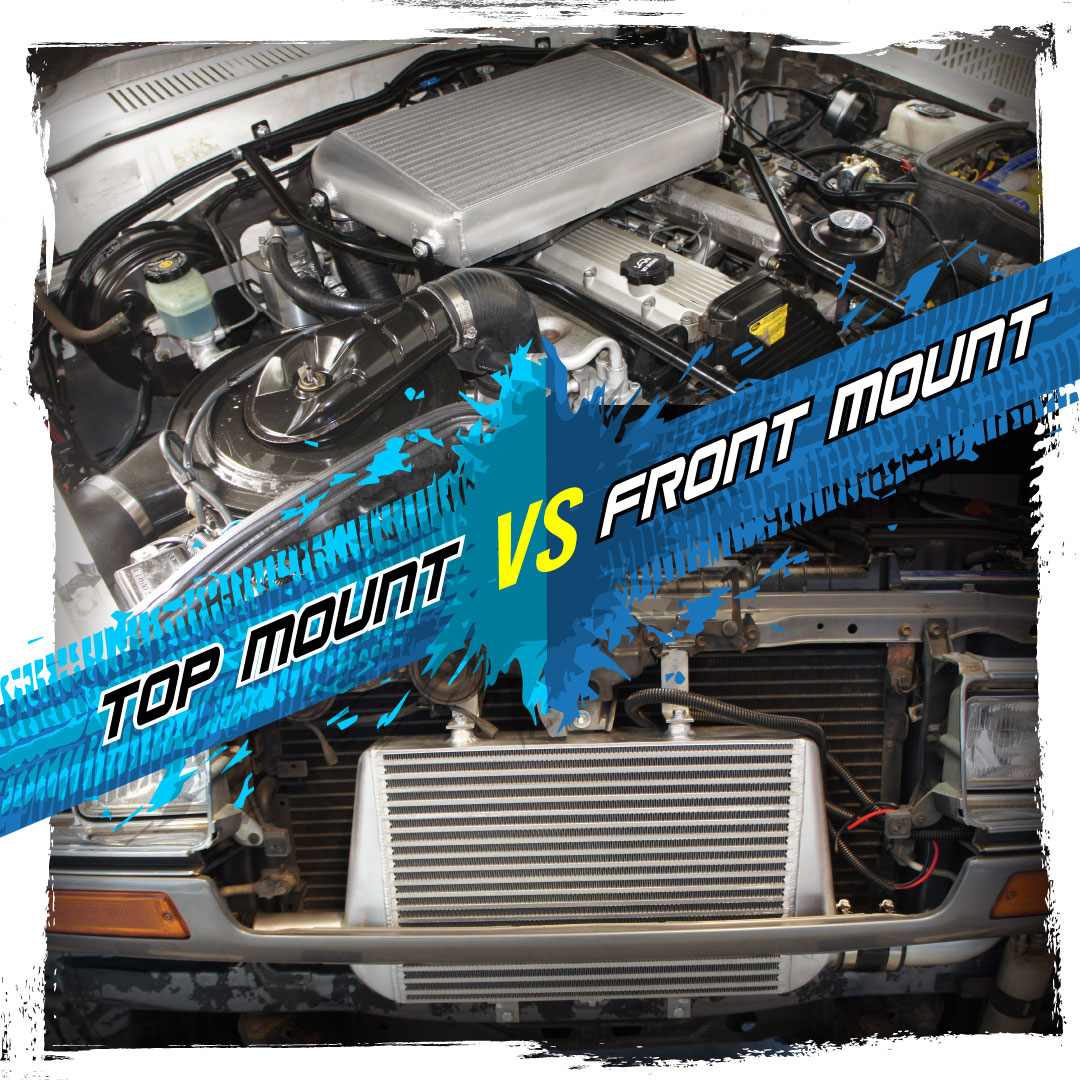
Top Mount vs Front Mount Intercooler – which one is the best for you?
Top Mount vs Front Mount Intercoolers You might not be…
The Engineering Reality of Oil Catch Cans in Modern Turbo Diesels
Turbo diesels bleed oil. That’s just physics: piston rings never seal completely, and under load, oily blow-by gas slips past into the crankcase. Positive crankcase ventilation systems catch the vapour and route it back into the intake. Not because it’s elegant engineering. Because emissions regs demand it.
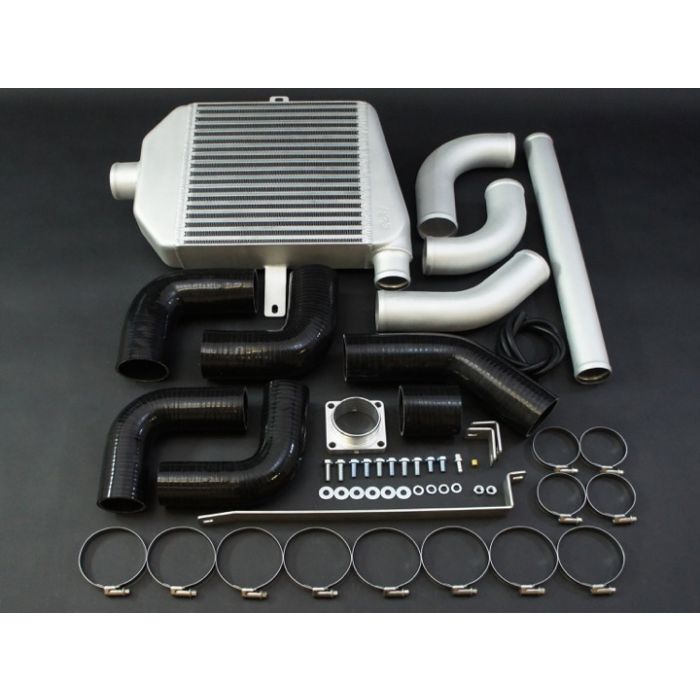
GQ Patrol Front Mount Intercooler Systems: Ending the TD42 Heat Soak Problem
Problem
The 4.2 litre TD42 has spent decades grinding through remote tracks without much complaint. A lot of that reliability comes down to heat management, plain and simple.
Once you bolt on an aftermarket turbo or wind up the mechanical fuel pump, things change quickly. More fuel and more boost mean more heat, and the factory air-to-air core simply wasn’t sized for that.
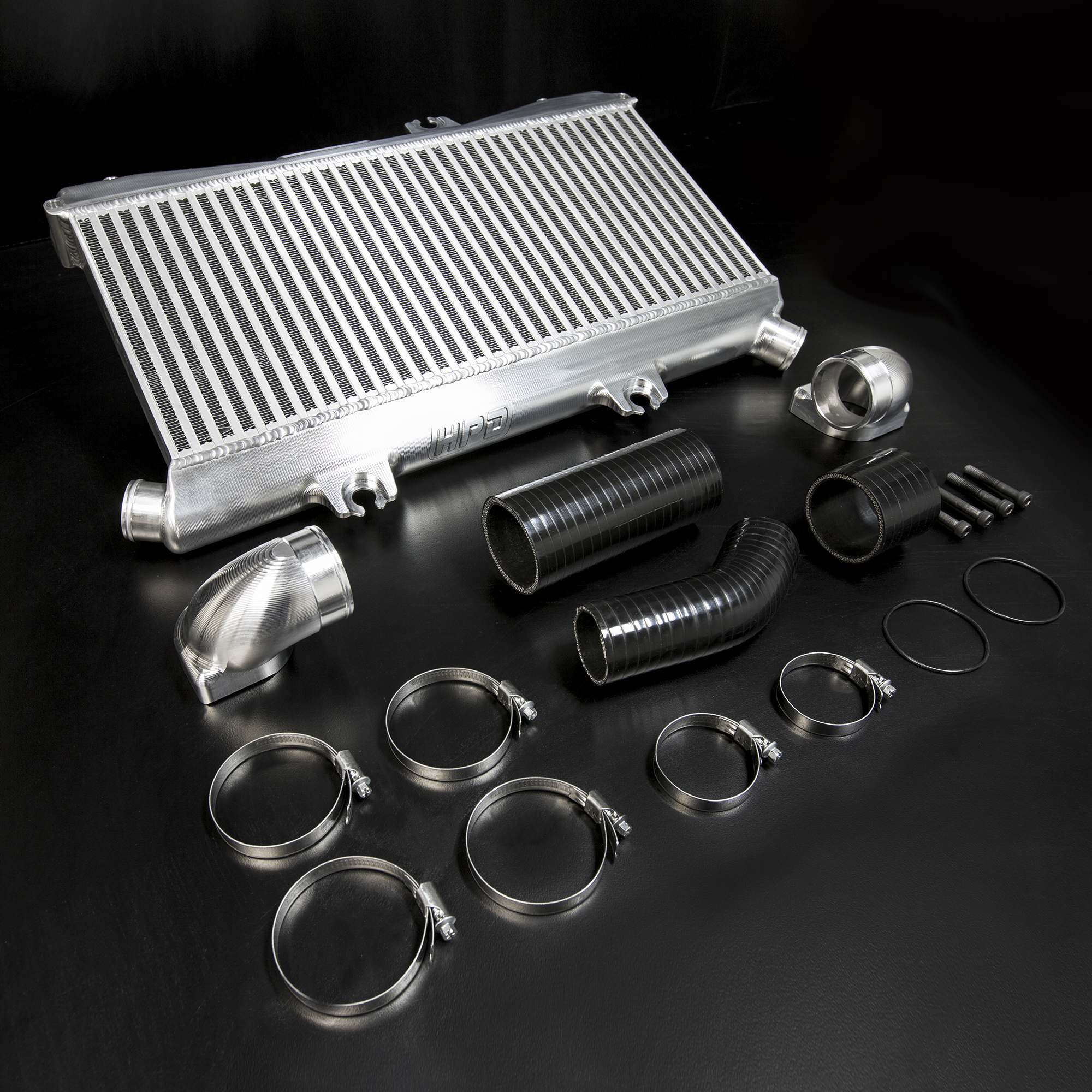
200 Series Intercooler Failure: Why the Factory Top-Mount Can’t Handle Real Towing Loads
A 200 Series pulling a 3.5-tonne caravan throughout Australia’s 40-degree outback conditions shouldn’t lose power halfway up a steep incline, yet it happens constantly across the country.
The stock top-mount unit hits thermal saturation fast under sustained load. Once intake temperatures climb past that threshold, the ECU steps in. Fuel gets pulled back, boost gets reined in, and torque drops. All of it happens to keep combustion heat from getting out of hand. This isn’t a tuning fault or driver error at all.
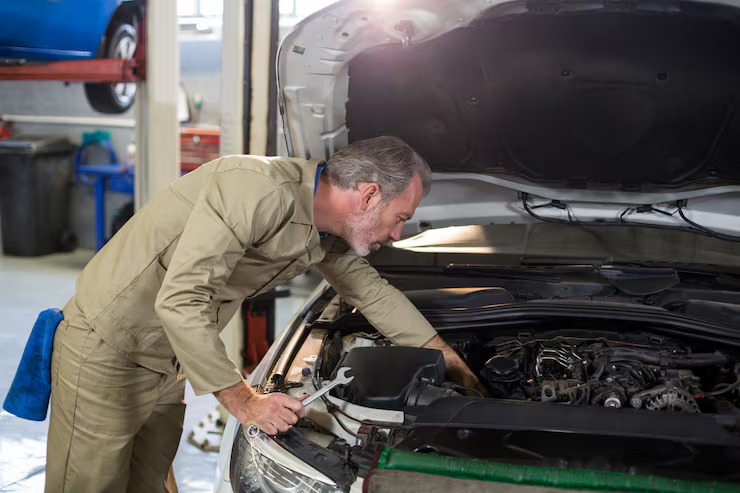
Intercooler Kits: Why Serious Diesel Owners Upgrade Before the Next Big Trip
Picture a loaded ute climbing out of the Adelaide Hills. Caravan on the back. The aircon is running, and the outside temperature is pushing 40.
That’s the moment a factory cooling system starts to fold. Boost heats up fast, and EGTs climb right along with it. The engine works harder just to hold the same speed it managed ten minutes earlier.
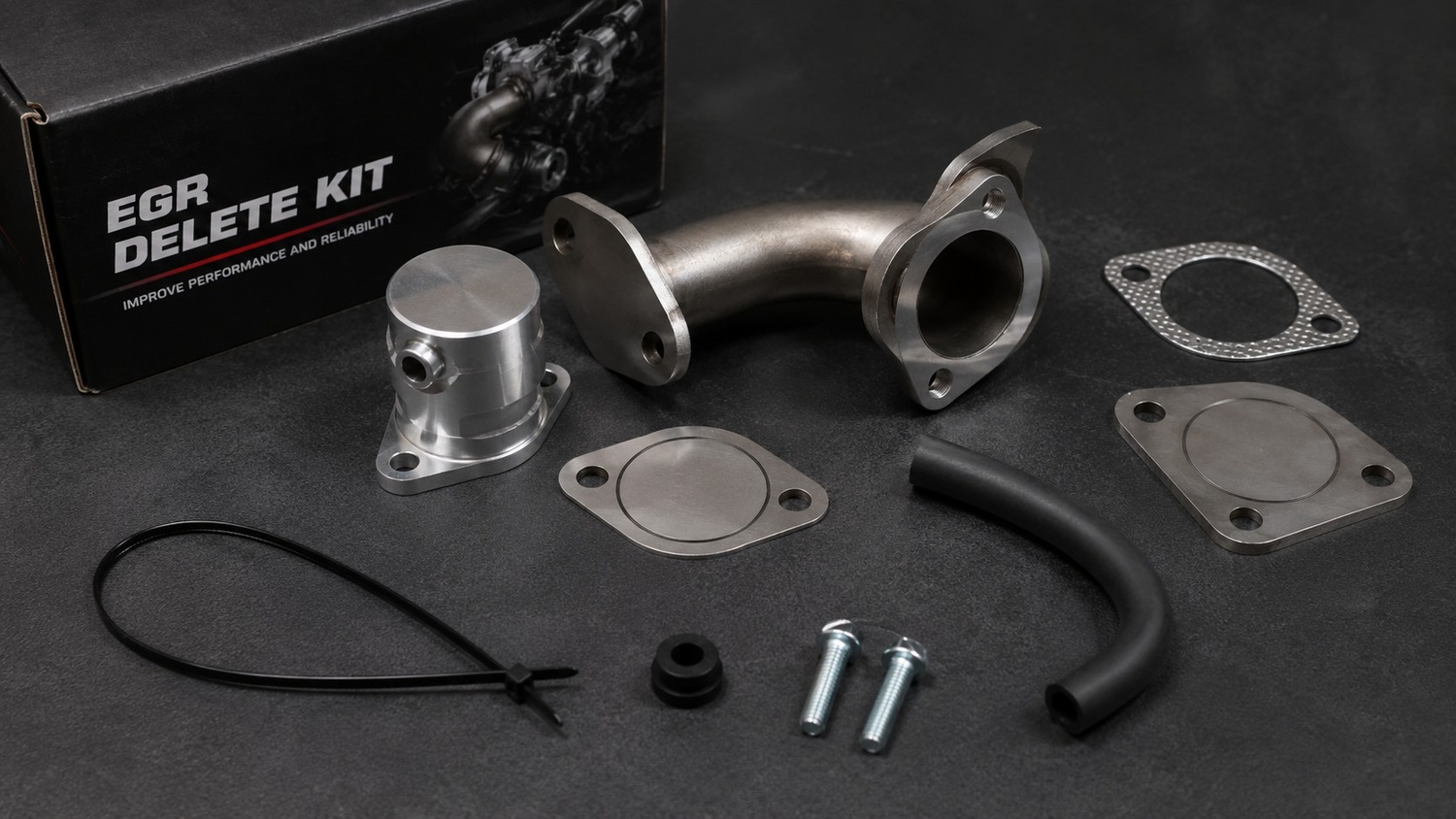
EGR Blocker Solutions: Restoring Airflow and Reliability in Australian Turbo-Diesels
Most factory diesels were never built for Australian conditions. Add a loaded canopy, forty-degree heat and dirt roads, and the intake loses ground fast.
The EGR system is usually where trouble starts. It bleeds exhaust gas back into the intake to cool combustion and cut emissions. That works on a test bench. Out on the Birdsville Track, that gas carries fine soot into the manifold, where it mixes with crankcase oil vapour and builds into sludge that chokes airflow.