


How HPD Catch Cans Support Cleaner Air Intake Systems in Modern Vehicles
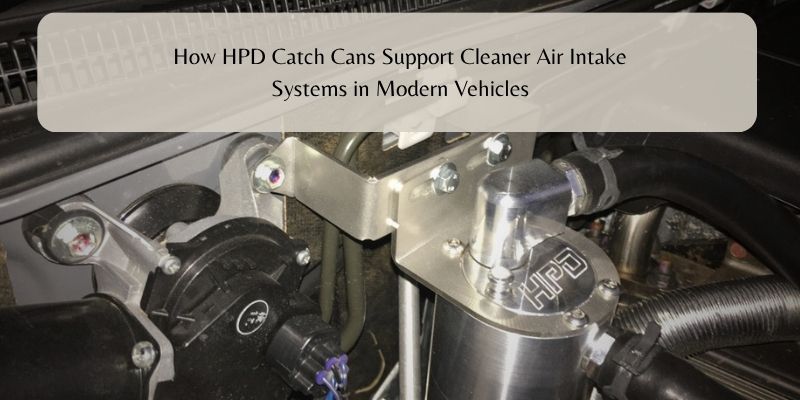
Modern vehicles are designed to deliver improved efficiency, performance, and emissions control, but their engine systems also operate under demanding conditions. One area that requires careful attention is the intake system, where clean airflow plays an important role in maintaining consistent combustion and overall reliability. During normal operation, oil vapour and other contaminants can move through the crankcase ventilation system and enter the intake path. Over time, this may contribute to unwanted deposits on internal components. HPD CATCH CANS are designed to help separate oil particles and moisture from these vapours before they continue through the system, supporting a cleaner airflow path.
Understanding how these devices work can help vehicle owners make more informed decisions about maintenance and engine protection. Rather than being viewed as a solution to every mechanical problem, an oil separation system is one component that may help manage contaminants produced during normal engine operation. Its effectiveness can depend on the engine design, driving conditions, installation quality, and regular maintenance.
Understanding Why Intake Contamination Occurs
Internal combustion engines require effective ventilation of crankcase gases. During operation, a small amount of combustion pressure can pass beyond piston rings and enter the crankcase. These gases, often called blow-by gases, can contain a mixture of air, fuel vapour, moisture, and fine oil particles.
Modern emissions systems typically return these gases to the intake rather than releasing them directly into the atmosphere. While this approach supports emissions control, it can also allow traces of oil vapour to travel through components that are intended primarily to handle clean air.
Over time, these vapours may condense and form deposits. In diesel and turbocharged engines, the combination of oil residue and other particles can contribute to contamination within intake components. The rate at which deposits develop varies significantly depending on the vehicle, driving style, maintenance practices, and operating environment.
How an Oil Separation System Helps
A catch can is installed within the crankcase ventilation pathway. Its purpose is to separate a portion of the oil mist and other contaminants from the gases moving through the system. The cleaned gases can then continue through the intended ventilation route, while collected material remains in the unit for periodic removal.
A properly designed system may provide several practical benefits:
- Helps reduce the amount of oil vapour entering the intake path
- Supports cleaner internal airflow components
- Collects moisture and oil residue for controlled disposal
- May reduce the build-up of unwanted deposits
- Allows vehicle owners to monitor collected contaminants
- Supports regular preventative maintenance practices
An HPD CATCH CAN is one example of a system designed for this type of oil vapour management. However, correct installation remains important. Hose routing, secure fittings, suitable mounting locations, and compatibility with the specific engine configuration can all influence performance.
Supporting Long-Term Engine Cleanliness
Keeping the intake pathway cleaner can support consistent airflow over time. When excessive deposits accumulate, they may affect the operation of certain components and increase the need for cleaning or maintenance. By reducing the amount of oil mist entering the system, an effective separator can become part of a broader preventative maintenance approach.
It is important to remember that no single component eliminates every source of contamination. Air filters, fuel quality, oil condition, driving conditions, and general servicing practices also play a role in engine cleanliness. A vehicle that is regularly maintained is more likely to benefit from a complete approach rather than relying on one modification.
The collection container should also be inspected regularly. The amount of residue collected can vary based on how the vehicle is used. Short journeys, heavy loads, frequent towing, and different weather conditions may influence moisture and oil accumulation. Regular checking helps prevent the unit from becoming excessively full.
The Importance of Proper Installation and Maintenance
Installing an oil separator correctly is essential for safe and effective operation. An unsuitable setup could affect the crankcase ventilation system or create issues with hoses and fittings. For this reason, vehicle owners should ensure that the product is compatible with their engine and that installation instructions are followed carefully.
Maintenance is generally straightforward but should not be ignored. Depending on the system and driving conditions, the collection reservoir may need periodic draining and inspection. Hoses and connections should also be checked for signs of wear, leaks, or damage.
A practical maintenance routine may include inspecting the system during regular servicing and checking it more frequently when the vehicle operates under demanding conditions. This helps identify potential issues early and ensures that collected material does not accumulate unnecessarily.
Working Alongside Other Performance Components
Modern turbocharged engines often include several systems designed to manage airflow and operating temperatures. An oil separator can work alongside components that support efficient air movement, although each part serves a different purpose.
For example, HPD INTERCOOLERS are associated with cooling compressed intake air in suitable turbocharged applications. Cooler intake air can support engine operation under demanding conditions, while an oil separation system focuses on reducing certain contaminants within the ventilation pathway. Understanding the separate roles of these components helps vehicle owners avoid unrealistic expectations about what any individual modification can achieve.
When considering upgrades, compatibility between different components should be assessed. The engine’s design, intended use, and existing modifications can all affect which products are suitable. A well-planned setup is generally more effective than adding components without considering how they interact.
Choosing a System Suitable for Your Vehicle
The right oil separation solution should be selected according to the vehicle’s engine configuration and intended use. Different vehicles may have varying hose layouts, ventilation systems, and available mounting locations.
Before selecting a unit, it can be useful to consider:
- Vehicle make and engine type
- Compatibility with the crankcase ventilation system
- Quality of hoses and fittings
- Ease of inspection and draining
- Available installation space
- Typical driving conditions
- Maintenance requirements
Vehicle-specific solutions can sometimes simplify installation and help achieve a more secure fit. However, proper research and adherence to applicable vehicle and emissions requirements remain important.
Conclusion
Managing oil vapour is an important consideration for maintaining a cleaner intake pathway in modern engines. By separating a portion of oil and moisture from crankcase gases, these systems can help reduce the contaminants that would otherwise travel through internal airflow components. Regular inspection, correct installation, and consistent vehicle servicing remain essential for achieving reliable results. When selected appropriately for a particular vehicle and maintained correctly, a CATCH CAN FOR HILUX or another compatible application can form part of a sensible preventative maintenance strategy for supporting cleaner engine operation over time.