


How Better Airflow and Heat Control Support Diesel Performance
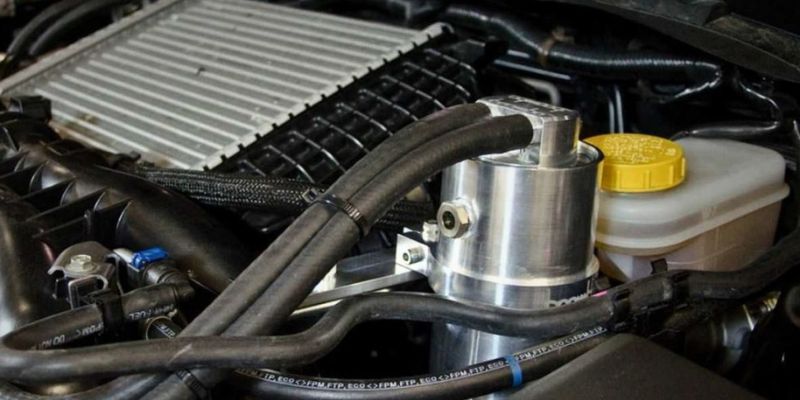
Diesel engines are built to handle demanding workloads, but repeated towing, long-distance travel, heavy loads, and off-road driving can place additional pressure on the intake and cooling systems. Keeping temperatures under control while maintaining clean and efficient airflow can support consistent operation over time. For drivers researching a DIESEL OIL CATCH CAN, intercooling, or related engine upgrades, understanding how these components work together is an important starting point. HP Diesel offers products designed around practical diesel performance and protection requirements.
Table of Contents
- Understanding the Role of Intake Air
- Choosing the Right Cooling Hardware
- When Driving Conditions Change the Equation
- Why Intercooler Design Matters
- Building a Practical Upgrade Strategy
- FAQs
- Conclusion
Why Heat Management Matters in Diesel Vehicles
A diesel engine relies on a steady supply of air for combustion. Turbocharging increases the amount of air entering the engine, but compressing that air also raises its temperature. As temperatures increase, managing the intake charge becomes increasingly important, particularly when the engine is operating under sustained load.
This is why intake system design should be considered as part of the overall vehicle setup rather than as an isolated modification. A vehicle used primarily for short urban trips may have different requirements from one regularly used for towing or touring.
Several factors can influence intake performance:
- Turbocharger configuration
- Engine tuning and modifications
- Ambient temperature
- Vehicle workload
- Condition of existing intake components
Understanding these factors helps owners make more informed decisions about upgrades.
Choosing the Right Cooling Hardware
Intercooling is intended to reduce the temperature of compressed intake air before it reaches the engine. A well-designed system can help maintain more consistent intake temperatures during demanding driving conditions.
When comparing INTERCOOLER KITS, compatibility should be one of the first considerations. The core dimensions, pipework, mounting arrangement, airflow characteristics, and connection points all need to suit the specific vehicle.
Larger does not automatically mean better. An effective upgrade should work with the turbocharger and intake system while providing appropriate airflow and heat transfer for the intended application. Owners should also consider whether their vehicle has already been modified, as changes to tuning or exhaust systems can alter its thermal requirements.
When Driving Conditions Change the Equation
The same diesel vehicle can experience very different operating conditions depending on how it is driven. A long highway journey at a steady speed is not equivalent to crawling over difficult terrain, climbing steep roads, or towing a heavy trailer.
| Driving condition | Main concern | Useful consideration |
| Highway touring | Sustained engine load | Consistent temperature control |
| Towing | Increased thermal demand | Intake and transmission cooling |
| Off-road driving | Low-speed airflow | Heat management and airflow |
| Performance tuning | Higher engine demand | Suitable supporting hardware |
| Heavy payloads | Extended workload | Overall cooling-system condition |
This is why upgrades should be selected according to actual usage rather than based solely on appearance, size, or advertised performance figures.
Why Intercooler Design Matters
Not all INTERCOOLERS perform in exactly the same way. Construction, core design, airflow path, materials, and available surface area can all affect heat transfer.
Fitment is equally important. A component that requires excessive modification may introduce unnecessary installation challenges or interfere with other systems. Before purchasing, owners should verify the vehicle's exact model, engine, year, and existing hardware.
It is also worth remembering that an intercooler is only one part of the intake system. Restrictions, damaged hoses, poor connections, blocked airflow, or other faults can limit the benefits of an otherwise suitable component. Regular inspection therefore remains important, particularly on vehicles that operate in dusty, hot, or demanding environments.
Building a Practical Upgrade Strategy
A sensible approach is to identify the vehicle's actual requirements before choosing individual parts. Start by considering how often the vehicle tows, whether it has been tuned, the typical climate, and how much time it spends off-road.
Owners can then review:
- Current condition: Check hoses, clamps, intake components, and cooling systems for wear or damage.
- Vehicle compatibility: Confirm specifications before purchasing replacement or upgraded hardware.
- Thermal demands: Consider towing, payloads, ambient temperatures, and driving conditions.
- Future modifications: Account for planned tuning or other changes that may affect system requirements.
- Installation requirements: Make sure the selected component can be fitted correctly without creating new restrictions.
This method keeps upgrades purposeful and reduces the risk of adding components that provide little practical benefit.
FAQs
What does an intercooler do in a diesel engine?
It cools compressed air from the turbocharger before that air enters the engine. This helps manage intake temperatures during operation.
Does every diesel vehicle need an upgraded intercooler?
No. The factory system may be adequate for standard use. An upgrade may be considered when operating conditions or vehicle modifications increase thermal demands.
Can towing affect intake temperatures?
Sustained towing increases engine workload, which can increase heat generation. The extent depends on the vehicle, load, terrain, ambient conditions, and cooling system.
Should intake components be upgraded individually?
Not necessarily. The intake system works as a complete arrangement, so compatibility between components is important when planning modifications.
What should be checked before buying an upgrade?
Confirm the exact vehicle model, engine, transmission where relevant, existing modifications, mounting requirements, and intended use.
Conclusion
Good diesel performance is not simply about increasing power. Maintaining appropriate temperatures and supporting efficient airflow can be equally important for vehicles exposed to demanding conditions. Whether reviewing intake upgrades, cooling hardware, or CATCH CANS, the most useful approach is to match each component to the vehicle's specifications and real-world workload. Careful selection, correct installation, and regular maintenance can help create a more balanced and dependable diesel setup.